Necessary Vehicle Service Tips for Effective Cars And Truck Upkeep and Long-Lasting Performance
Efficient cars and truck upkeep is necessary for guaranteeing longevity and perfect performance. Routine checks of essential fluids, tire treatment, and battery wellness can protect against unanticipated failings. Understanding these fundamental service pointers permits car owners to improve security and effectiveness. However, many overlook particular aspects that could significantly affect their car's dependability. Discovering these vital maintenance techniques can disclose just how easy practices lead to a much more reliable driving experience.
Recognizing the Relevance of Routine Maintenance
Several car owners might ignore it, normal maintenance is important for ensuring a vehicle's long life and ideal performance. This practice entails a series of organized checks and solutions that keep the automobile functioning properly. Routine maintenance helps determine potential concerns before they escalate into costly repair work, consequently conserving owners money and time in the future. On top of that, adhering to a maintenance schedule can boost fuel effectiveness, boost safety and security, and keep the vehicle's resale worth. Easy jobs such as tire rotation and brake assessments add substantially to overall integrity. Moreover, it cultivates a sense of responsibility amongst proprietors, promoting a proactive method to automobile treatment. Inevitably, routine maintenance is an essential financial investment in both an automobile's lifespan and efficiency
Crucial Liquid Checks and Modifications

Engine Oil Surveillance
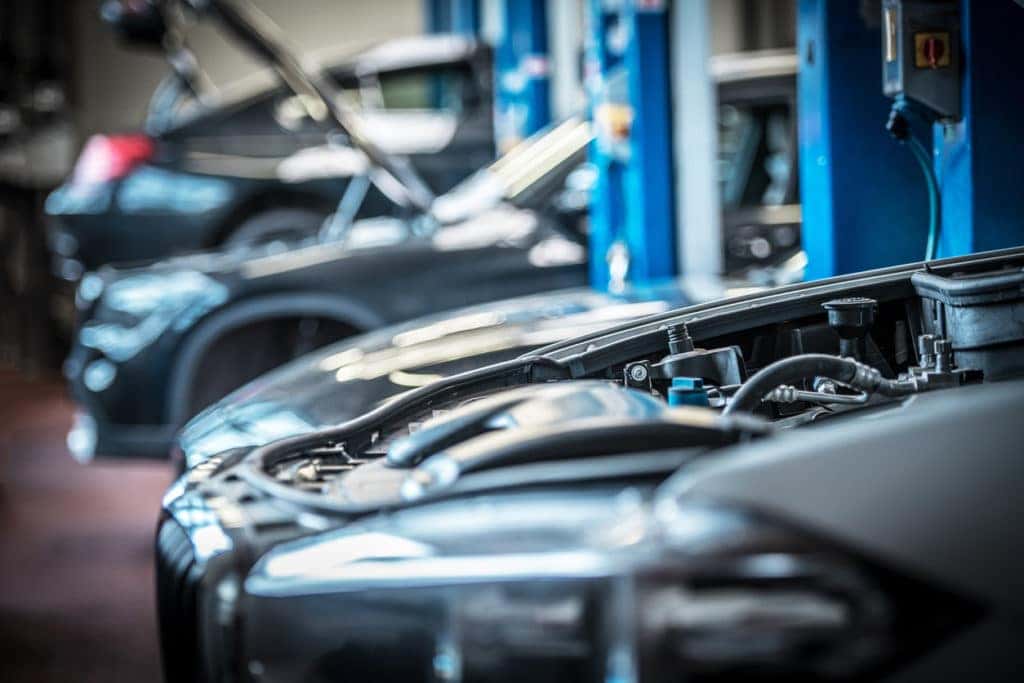
How often should one check their engine oil? It is generally suggested to inspect engine oil at the very least as soon as a month or in the past lengthy journeys. Normal monitoring assurances suitable engine performance and longevity. Motorists must try to find clearness and proper degrees on the dipstick; oil that shows up dark or sandy shows contamination and may need a change. In addition, comprehending the lorry's oil modification periods, usually every 5,000 to 7,500 miles, is crucial. This differs based on the sort of oil used and driving problems. Keeping proper oil levels and top quality aids stop engine wear, getting too hot, and pricey fixings. Consistent engine oil surveillance is a vital aspect of effective automobile upkeep.
Brake Liquid Relevance
Inspecting engine oil is simply one facet of maintaining a vehicle's performance, as brake fluid likewise plays a critical role in ensuring security on the road. This hydraulic fluid is fundamental for the correct performance of a lorry's stopping system. It transfers force from the brake pedal to the brake parts, allowing for reliable deceleration. With time, brake fluid can soak up moisture, causing a reduction in boiling point and raised corrosion within the brake system. On a regular basis examining and changing brake liquid is critical to avoid brake failing and keep peak efficiency. Car proprietors should comply with supplier suggestions relating to fluid substitute intervals to guarantee dependability and safety while driving. Focusing on brake fluid upkeep can greatly boost general automobile safety and security.
Tire Care: Pressure, Rotation, and Positioning
Preserving appropriate tire treatment is essential for lorry security and performance. Keeping an eye on tire pressure, ensuring regular tire turning, and examining wheel positioning can substantially prolong tire life and boost driving convenience. Disregarding these aspects might result in unequal wear and possible hazards when driving.
Tire Stress Value
Appropriate tire pressure is vital for car safety and efficiency, considerably impacting fuel efficiency and tire lifespan. Keeping the right pressure assurances ideal call in between the tires and the roadway, boosting grip and stability throughout driving. Under-inflated tires can bring about increased rolling resistance, resulting in poor gas economic situation and better endure the tires. On the other hand, over-inflation might cause a harsh ride and uneven tire wear, endangering safety. Frequently checking tire pressure, ideally when a month and previously lengthy journeys, is necessary. This straightforward maintenance task can avoid prospective crashes and costly fixings. Vehicle proprietors should describe the maker's referrals for suitable tire stress and buy a trusted stress scale to monitor their tires effectively.
Routine Tire Rotation
Although tire stress is crucial, normal tire rotation is similarly crucial for extending tire life and guaranteeing even put on. Tires use in a different way depending upon their setting on the automobile; front tires normally endure more use because of steering and weight distribution. By rotating tires every 5,000 to 7,500 miles, vehicle drivers can advertise well balanced wear across all four tires, which enhances handling and efficiency. This method helps keep perfect traction and fuel performance, inevitably conserving cash on premature tire substitutes. Additionally, normal tire rotation can enhance the overall security of the automobile by minimizing the possibility of blowouts or handling problems. Embracing this straightforward upkeep routine contributes substantially to the durability and reliability of a lorry's tires.
Wheel Positioning Requirement
An accurate wheel placement is vital for optimal car efficiency and security. Correct positioning warranties that the lorry's wheels are located properly about each other and the road. Imbalance can lead to unequal tire wear, lowered fuel efficiency, and endangered handling. Consistently checking and adjusting wheel placement can stop these issues, expanding the lifespan of tires and enhancing overall driving convenience. Additionally, misaligned wheels can influence stopping distances and security, particularly throughout damaging weather. It is advisable for car owners to have their wheel alignment inspected a minimum of annually or whenever new tires are mounted. By prioritizing wheel placement, drivers can establish their car runs smoothly and safely, inevitably conserving cash on future repair work and replacements.
Brake System Maintenance: Indicators and Solutions
Exactly how can drivers assure their brake systems continue to be in perfect condition? Routine inspection is essential. tire. Indicators of brake concerns include squealing or grinding sounds, resonances throughout braking, and a mushy brake pedal feel. Furthermore, warning lights on the control panel should not be disregarded, as they may show low brake liquid or other malfunctions
To keep peak efficiency, chauffeurs must examine brake pads for wear and replace them when necessary. Validating brake fluid is at the correct degree and cost-free of pollutants is additionally vital for system effectiveness. Routine upkeep by a professional can help discover hidden issues early, minimizing the threat of brake failure. Embracing these methods assurances safety and security and prolongs the life-span of the brake system.
Battery Treatment: Tips for Longevity

Engine Air Filters: Why They Issue
Engine air filters play a crucial function in maintaining an automobile's performance and efficiency. They are accountable for stopping dirt, dirt, and other impurities from getting in the engine's combustion chamber. A tidy air filter guarantees that the engine gets an ample supply of clean air, which is necessary for optimal gas burning and total engine function. When air filters come to be blocked, engine performance can deteriorate, resulting in lowered fuel performance and raised discharges. Regular assessment and substitute of air filters are critical to assure the engine runs efficiently. Vehicle drivers must consult their lorry's proprietor guidebook for advised replacement periods, as ignoring this straightforward maintenance task can lead to pricey repair services and decreased vehicle long life.
Seasonal Upkeep: Preparing Your Car for Weather Condition Changes
As the seasons change, so do the needs put on a vehicle. Proper seasonal maintenance is crucial for ensuring peak efficiency and safety and security. In wintertime, motorists must inspect their battery, tire tread, and antifreeze levels, as chilly temperature levels can considerably impact these elements. Summertime maintenance requires checking the air conditioning system and cooling, as excessive warmth can cause overheating. Additionally, it's essential to change windshield wipers and assure proper visibility year-round. During the autumn, checking the car's lights and brakes prepares it for shorter click here days and prospective adverse weather. Springtime brings the chance to tidy and detail the car, getting rid of road salt and particles collected over winter months. Adapting maintenance to the seasons enhances a cars and truck's long life and reliability.
Regularly Asked Inquiries
Exactly how Often Should I Wash My Automobile for Optimal Upkeep?
For excellent upkeep, it is advised to clean a car every two weeks. Constant cleaning assists shield the paint from dirt, gunk, and ecological pollutants, ensuring the lorry continues to be in great condition gradually.
What Are the Indicators My Automobile Requirements an Expert Assessment?
Indicators that an automobile requires an expert examination consist of uncommon sounds, warning lights on the dashboard, fluid leakages, vibrations while driving, and decreased performance (oil change service). Addressing these problems immediately can stop additional damages and guarantee security
Can I Execute Maintenance Tasks Myself, or Should I Employ an Auto mechanic?
Individuals can perform fundamental maintenance jobs themselves if appropriately knowledgeable; however, for complex problems or lack of proficiency, hiring a mechanic is advisable to ensure correct treatment and prevent prospective incidents or further damage.
What Is the Typical Life-span of a Cars And Truck Battery?
The typical life-span of a vehicle battery typically ranges from 3 to 5 years. Factors such as environment, driving behaviors, and battery upkeep can substantially influence its long life and general performance in various problems.
Just how Do I Know if My Car's Service warranty Covers Maintenance?
To identify if an automobile's warranty covers maintenance, one must assess the service warranty documents or get in touch with the car dealership. This info clarifies details coverage details, including which maintenance services are included or omitted under the service warranty.